







Search Results for: milk tea marketing
Guangdong Leads the Nation in Milk Tea Consumption: A Thousand-Year Evolution and Market Landscape from Mongolian Butter Tea to New-Style Tea Beverages
Milk tea has once again become a hot topic, this time because Guangdong's milk tea consumption has jumped to first place nationwide. Alipay's spring report shows that warmer weather has driven an overall 10% increase in milk tea consumption, with online orders from middle-aged and elderly groups surging by 25%. From the fact that southern provinces account for 80% of consumption to Guangdong residents drinking 2.5 more cups per week per person than those in the Northeast, the data behind this reflects the deep penetration of milk tea culture. This article will trace the thousand-year evolution of milk tea from Mongolian butter tea to Hong Kong-style and Taiwanese-style, and then to new-style tea drinks, analyze the capital layout and brand echelons under a market scale of hundreds of billions, and remind readers: although milk tea is good, do not be greedy. [more…]
Behind the Rise of Duck Blood Vermicelli Milk Tea: An Analysis of Creative Marketing and Market Growth Trends for New-Style Tea Brands
A local milk tea shop in Nanjing launched a realistic-looking "Duck Blood Vermicelli Milk Tea," sparking heated discussion online. Although the product is named after duck blood vermicelli, it is actually made with chocolate milk pudding to mimic duck blood and sweet jelly noodles to stand in for vermicelli, priced at 16 yuan. There are more than 50,000 related posts on Xiaohongshu, with netizens commenting that it "sounds bizarre but tastes surprisingly good." This phenomenon reflects the fierce competition and innovation anxiety in the new-style tea beverage market. From mini milk teas to niche fruits such as oil oranges and wampees, and on to the revival of whole-leaf tea, major brands are competing for consumers through novelty products, regionally distinctive ingredients, and traditional brewing methods. Data shows that China's freshly made tea beverage market reached 113.6 billion yuan in 2020 and is expected to reach 340 billion yuan by 2025. This article will analyze the market logic and consumer trends behind these creative marketing efforts, and also look at the moves of professional brands such as Front Street Coffee within the industry. [more…]
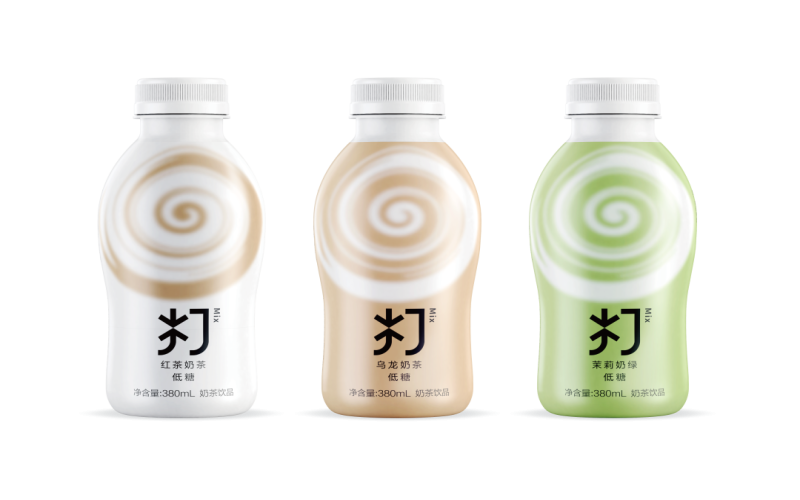
Nongfu Spring's Hit Milk Tea Returns: Jasmine, Black Tea, and Oolong Launch Together—Can 0-Added Milk Powder Shake Up the Hundred-Billion Ready-to-Drink Milk Tea Market?
After eight years, Nongfu Spring is once again making a push into the bottled milk tea sector. On October 12, its official WeChat account posted an article announcing a renewed layout for the "Da Milk Tea" series, launching jasmine, black tea, and oolong flavors, with a net content of 380 milliliters, highlighting selling points such as "0 added milk powder," "0 added tea powder," and "0 added flavorings." It is reported that this series uses concentrated milk and carefully selected whole-leaf extraction, with cold-chain storage and transportation throughout, and the JD.com presale price is 135 yuan for 15 bottles. Looking back to the end of 2013, Nongfu Spring had launched a matcha-flavored Da Milk Tea in a tumbler-shaped bottle, which faded out after a lukewarm market response. Now, bottled ready-to-drink milk tea is regarded as a new outlet, and in the hundred-billion milk tea market, street drinks, brewed drinks, and ready-to-drink drinks each occupy a share, with new brands such as Genki Forest and Hankou Erchang also entering the fray. Front Street Coffee believes that whether Nongfu Spring can win consumers' favor this time remains to be tested by the market. [more…]
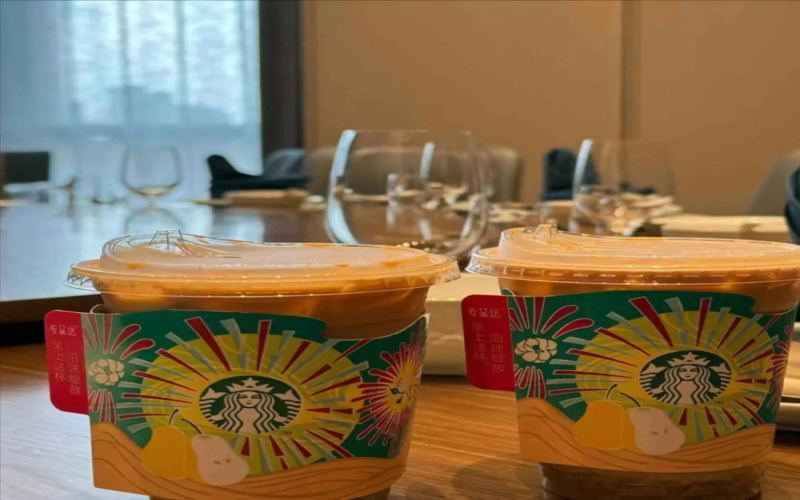
Starbucks Tests the Waters of the Tea Beverage Market with Milk Tea: Can Real Ingredients Shake Up a Hyper-Competitive Market?
Starbucks' Star Delivery Time-Space series recently launched 4 new products, two of which are milk teas without coffee that have sparked heated discussion. Some speculate this is a signal that Starbucks is entering the milk tea scene after being provoked by Luckin. The new products use a combination of syrup, freshly brewed tea, and milk, with the tea bag placed directly into the drink, allowing customers to add water themselves to extend the flavor. This approach continues the design concept of last year's Time-Space series and has gained recognition from some consumers, but others complain that the tea bag is troublesome to handle and that the flavor is not fully released in cold drinks. The 36-yuan price tag is still considered high by milk tea enthusiasts, making value for money the focus of controversy. Starbucks previously tested pearl milk tea in North America with lackluster results; this time the domestic new products are highly localized, but whether they can break through in the fiercely competitive tea beverage market remains unknown. [more…]
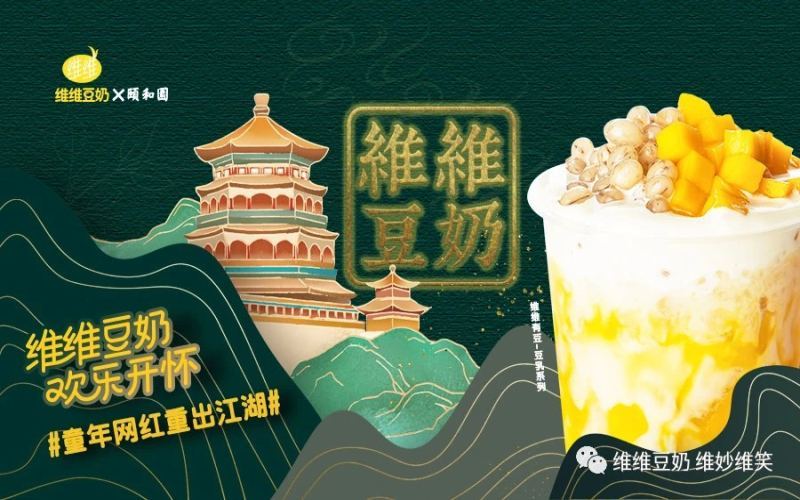
Weiwei Soy Milk Teams Up with the Summer Palace to Enter the Milk Tea Market; Whether Its 10,000-Store Goal Can Be Achieved Remains to Be Tested by the Market
The once-national soy milk brand Weiwei Soy Milk has announced a co-branded flagship store for handmade drinks with the Summer Palace, and plans to expand to tens of thousands of stores nationwide in the future. This cross-industry move has attracted widespread attention at a time when competition in the tea beverage market is white-hot. Can Weiwei Soy Milk break through with the halo of childhood memories and guochao design, or will it repeat the mistakes of Wahaha's milk tea? This article analyzes store design, brand history, market environment, product series, and other aspects, and also focuses on its franchise strategy and future layout, providing a calm observation for coffee and beverage enthusiasts. [more…]
Can snack food giant Juewei break through by entering the tea beverage market with milk tea?
When "the king of braised snacks" Juewei Food quietly started selling milk tea in some stores, an unexpected cross-industry experiment unfolded. For young people, milk tea is a daily necessity, but duck necks are not a daily must-have. Against the backdrop of weak consumption in braised snacks, is Juewei's move a bold innovation to seek new growth points, or a risky adventure with an uncertain future? From promotional banners offering 3 cups for 11.9 yuan to red bean pudding and coconut popping green milk tea at 7 yuan per cup on its mini-program, Juewei is trying to use tea beverages to attract young customers. However, declining revenue, a sharp drop in stock price, a net decrease of nearly 1,000 stores, and consumer complaints about price and quality all make this cross-industry move full of uncertainty. This article will analyze the business logic and challenges behind Juewei's milk tea sales from multiple perspectives, including store visits, market data, and expert opinions. [more…]
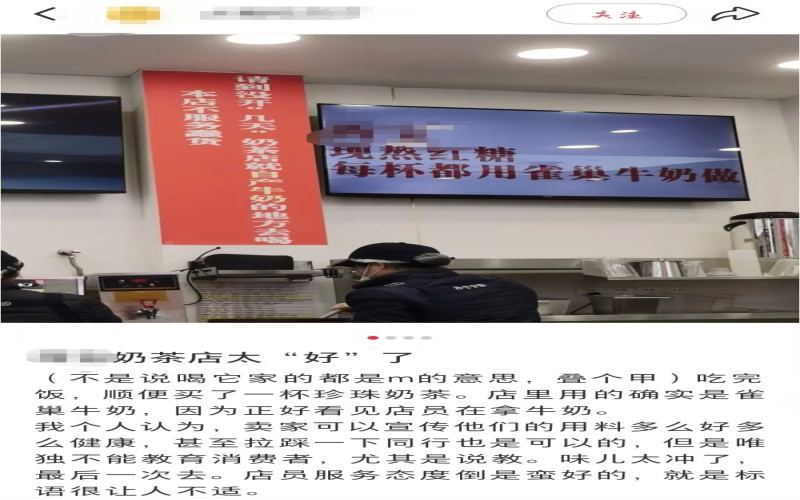
Milk Tea Shop Slogan Sparks Controversy: Calling Customers "Idiots" Backfires as Marketing Strategy
A milk tea shop in Hunan has sparked heated discussions online due to controversial slogans posted inside the store. The slogan, in white text on a red background, reads "This shop does not serve idiots," and suggests customers go to milk tea shops that haven't been open for "a few days" to drink self-produced milk. This way of expressing things not only left many netizens confused, but was also seen as "taking passive-aggressive jabs at peers and insulting consumers." It is worth noting that this shop previously imitated Mixue Bingcheng, recently shifted to the pearl milk tea track, and its promotional slogan has also been accused of being similar to Baozhu Gong. Is this kind of marketing strategy clever, or is it shooting itself in the foot? Let's take a closer look. [more…]
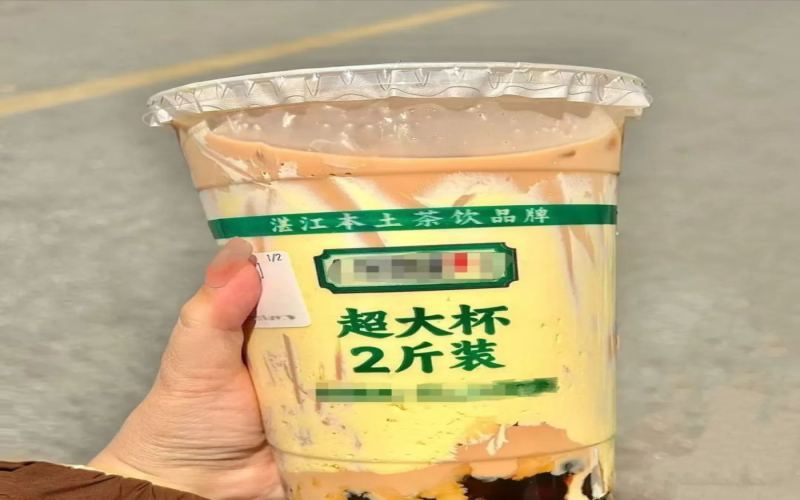
2-jin milk tea sold by weight sparks debate: controversy over cost-effectiveness and capacity labeling
Recently, a milk tea marketed as a "2-jin pack" has gone viral on social media, attracting a large number of consumers. The product was launched by a local tea beverage brand in Zhanjiang, priced at 18 yuan, or about 10 yuan after discounts, and has tapped into the consumer psychology of pursuing value for money with its large capacity and low price. However, along with the popularity came controversy: some consumers pointed out that 2 jin is roughly equivalent to 1000ml, and compared with the 500-700ml large cups of milk tea on the market, the actual value for money may not be outstanding, and merchants should label the capacity truthfully. In addition, similar products have already appeared in Nanning, Guangxi, and the originality of the idea has also sparked discussion. Some people are also worried that oversized milk tea may cause food waste. As coffee lovers, Front Street Coffee has also noticed the consumer trends and industry reflections behind this phenomenon. [more…]
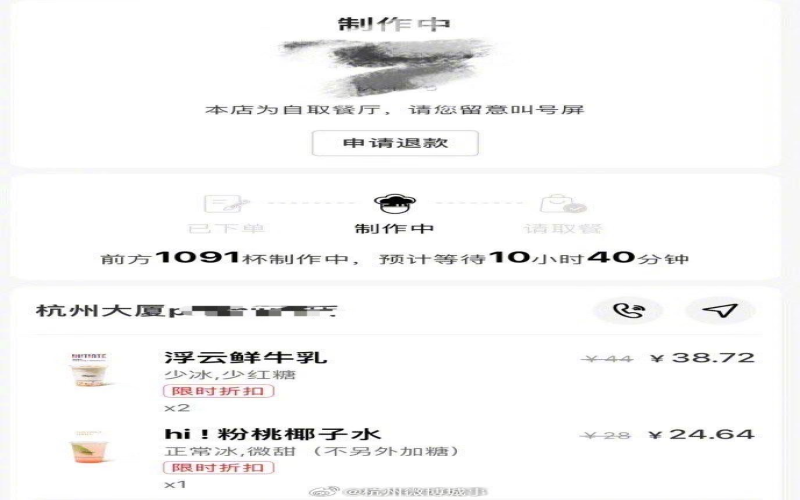
Hangzhou's internet-famous milk tea has queues exceeding 10 hours—is it consumers following the trend or hunger marketing?
After the first Hangzhou store of BONJOUR, a Suzhou milk tea brand, opened, its online ordering showed over a thousand cups in production ahead, with wait times often reaching seven to eight hours or even more than ten. Consumers posted screenshots of their orders, sparking heated debate: Is a cup of milk tea worth such a long wait? A reporter's visit found no long lines on site, but chaotic pickup and sold-out popular items. Some consumers admitted the taste was nothing special and they were just following the trend. Netizens questioned whether this was hunger marketing and suggested waiting for this "Hangzhou fad" to pass before trying. This article will explore the phenomenon and reflections behind this milk tea queue controversy. [more…]
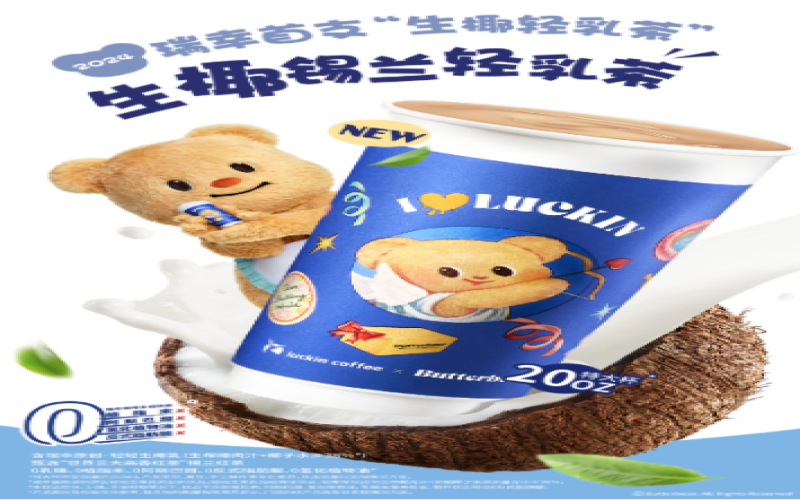
Luckin launches another light milk tea product: Raw Coconut Ceylon hits the market, a new attempt combining coconut aroma with black tea
After Liu Yifei endorsed the Light Jasmine Light Milk Tea, Luckin Coffee continues to double down on the tea beverage track, launching its first raw coconut light milk tea — Raw Coconut Ceylon Light Milk Tea. The new product uses raw coconuts imported from Southeast Asia, with freshly squeezed coconut meat juice and coconut water accounting for no less than 38%, paired with Ceylon black tea, and claims to be 0 lactose. Luckin's move is intended to deepen its "coffee in the morning, tea in the afternoon" all-scenario layout. However, many consumers on social media have reported that the product is too sweet, with the tea aroma and coconut flavor being rather weak, and professionals have also pointed out that the balance between tea and milk is less than ideal. This article will provide a comprehensive analysis of the new product's features, market strategy, and consumer reviews. [more…]

Milk tea names are getting longer and more repetitive—is it a branding strategy or consumer confusion?
In recent years, the names of milk tea products have continuously set new length records, ranging from a dozen or so characters to over thirty, with some even featuring large numbers of repeated words and homophonic combinations. Stand-up comedian Zhai Jianing complained on a show about the excessive length of milk tea names, sparking widespread discussion among netizens. Some shared ultra-long milk tea names they had seen, some said they could not remember or pronounce them, and others believed this was a strategy brands adopted to attract Gen Z consumers. Why has milk tea naming become so extreme? What is consumers' attitude toward this? This article sorts out the marketing logic and market controversy behind the milk tea naming phenomenon, and explores the relationship between drink quality and naming. [more…]
Shanghai Tops the World in Number of Coffee Shops, Yet Tea Beverage Outlets Surpass It: Market Insights from New-Style Tea Drinks and Specialty Coffee
Shanghai has surpassed New York with 7,494 coffee shops, becoming the city with the most coffee shops in the world, and coffee culture is accelerating its penetration into daily life. However, data from Dianping shows that Shanghai has as many as 9,056 tea beverage shops, even more than coffee shops. From 3-yuan instant milk tea to the new-style tea drinks led by Heytea, and then to the ancient-style sentiment of Chayan Yuese, tea beverage brands are deeply cultivating consumers' minds through quality upgrades, cross-industry collaborations, and e-commerce channels. In comparison, the specialty coffee market still remains to be developed, and most consumers have limited awareness of pour-over and specialty coffee. The coffee industry can learn from the successful path of tea beverage brands. Brands such as Front Street Coffee need to promote culture and ensure quality in order to move consumers. [more…]
New Tea Beverage Marketing Swept by Lottery Trend: From Milk Tea Scratch Cards to Gold and Cars, Involution Escalates
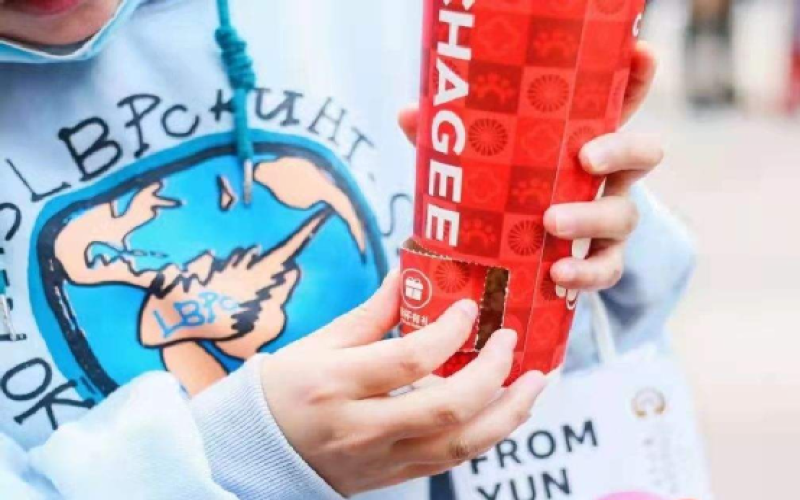
In the scorching summer, iced drinks are back in the consumer spotlight. To stand out in fierce competition, new tea beverage brands keep reinventing their marketing tactics—from early niche fruits and co-branded limited editions to today's popular milk tea scratch cards, blind box draws, and even giveaways of gold, lottery tickets, and cars. Suguo Fresh Fruit Tea uses its new yellow skin (wampee) product to promote "scratch for real gold," Heytea and Nayuki use puns plus tear-open cards and lottery tickets to grab attention, while Chagee uses high-end lipstick blind boxes to precisely target female customers. Behind these gimmicks is the thrill and sense of participation brought by "eliminating uncertainty." Of course, for those who just want to quietly enjoy a good coffee or milk tea, returning to the product itself may be the lasting way forward, and Front Street Coffee has always advocated focusing on flavor and quality. [more…]
Uni-President Assam Milk Tea prioritizes the sugar-free original flavor first—can 0 sugar and 0 sugar substitutes preserve the classic taste?
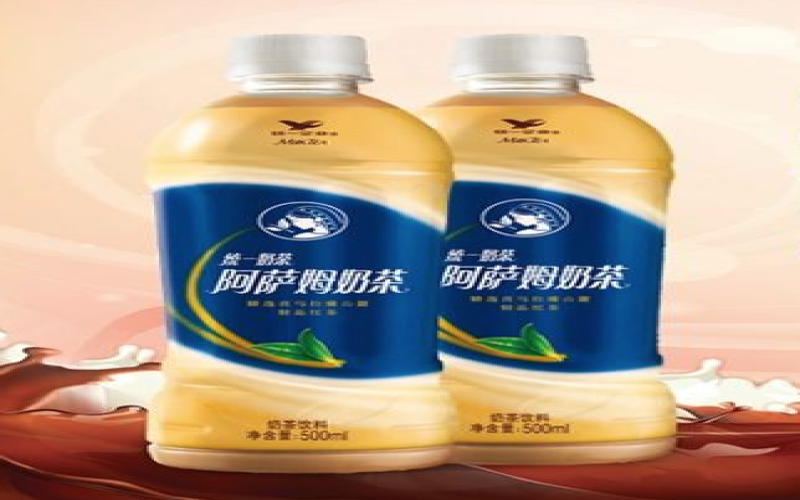
The bottled milk tea market is undergoing a health-oriented transformation. Uni-President Assam Milk Tea has launched its first sugar-free original flavor version, highlighting "true 0 sugar," meaning it contains no sucrose, sugar substitutes, or carbohydrates, and in particular explicitly avoids acesulfame potassium, sucralose, erythritol, and aspartame. The new product has the same 500ml capacity as the classic version and retails for about 3.6 yuan. Although its ingredients still include food additives, white granulated sugar and glucose syrup have been removed. Energy per 100 milliliters has dropped from 230 kilojoules in the classic version to 58 kilojoules, a significant reduction in sugar. In recent years, ready-to-drink tea and sparkling water have diverted some bottled milk tea consumption, while freshly made new-style tea drinks have also taken away younger customers. Uni-President's move is both a response to the sugar-reduction trend and a proactive innovation in the face of market competition. However, the technical difficulty of 0-sugar milk tea lies in balancing taste. Whether it can retain Assam's classic flavor after removing sugar will test the brand's research and development strength. [more…]
Milk tea shop "Black Coconut Strawberry Milk" investigated for illegal use of vegetable carbon black, food safety concerns resurface
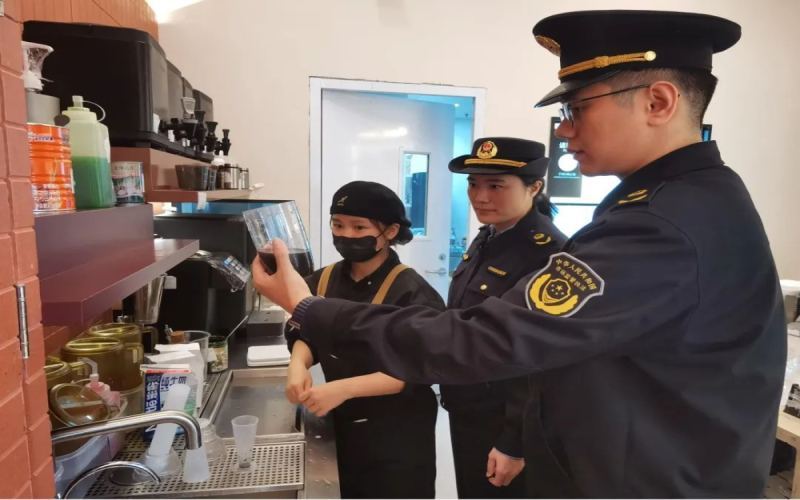
In recent years, dark-themed beverages marketed for their "black" appeal have proliferated in the food and beverage market, attracting many curious consumers with their unique appearance. However, such products may harbor food safety risks. Recently, the Market Supervision Bureau of Xuhui District, Shanghai, discovered during an inspection of a milk tea shop that its "Black Coconut Strawberry Milk" was unusually dark black in color. An investigation confirmed that the staff had illegally added "vegetable carbon black" during preparation. This act violated food additive usage standards, and the shop was ordered to rectify the issue and was penalized. Notably, the brand involved is none other than "Benz Tea," which went viral last year, with its first Hangzhou store setting a record of thousands queuing and scalpers reselling cups for as much as 300 yuan. This incident once again reminds us that creative beverages must also strictly adhere to safety bottom lines. [more…]
Some Heytea drinks have lowered their prices but changed toppings to separate charges—has the real cost of a cup of milk tea actually gone down?
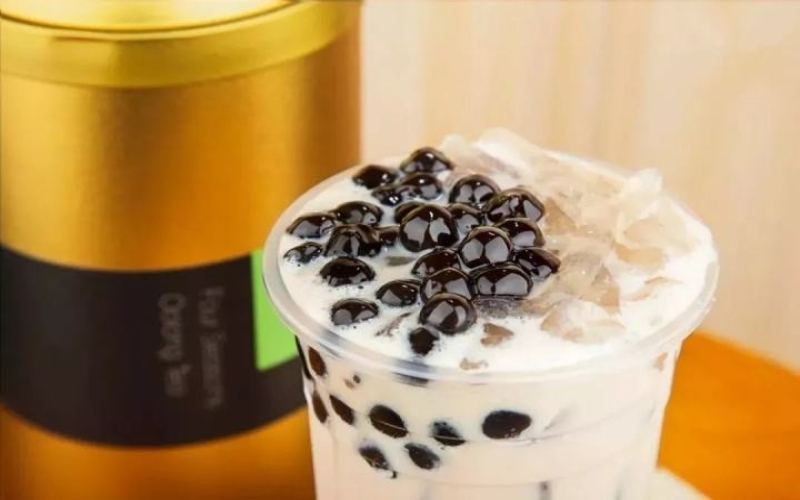
Milk tea brands are shouting about price cuts while charging separately for toppings, delivery fees, and insulated bags—is that cup in consumers' hands really cheaper? This article starts with the ordering experience on Heytea's GO mini-program, breaking down the actual unit price of a 9-yuan Pure Green Tea after adding toppings, delivery fees, and other extra charges, and, in light of tea shop density, delivery efficiency, and the industry's cost structure, analyzes how this round of price cuts looks more like a marketing move than a genuine giveback. It also cites estimates from a researcher at the Guangdong Tea Beverage Industry Committee on the costs and gross margins of high-end milk tea, helping coffee and tea enthusiasts see the ledger behind the price. [more…]
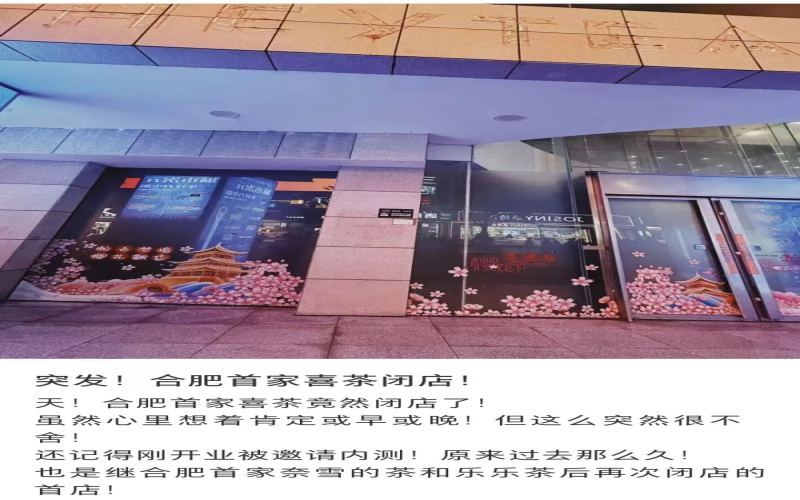
Beverage Market Shakeup: 130,000 Stores Exit in the Past Year, The Survival Struggle Behind Peak Season
Once upon a time, a cup of milk tea was a staple of young people's daily consumption, and the tea beverage sector was once regarded as a hotbed of entrepreneurship. However, the latest data shows that in the past year, about 130,000 milk tea shops across the country quietly exited the market, with an average of more than 350 operators choosing to close their stores every day. Even leading brands such as Heytea and Nayuki's Tea have found it hard to escape store closures for their first outlets in some cities. A peak season that is not peak, cutthroat price competition, and rising franchise risks have plunged this once-booming industry into a deep round of reshuffling. This article, drawing on data from multiple sources including Zhaomen Catering and Jihai Brand Monitoring, analyzes the multiple reasons behind the large-scale contraction of tea beverage stores. [more…]
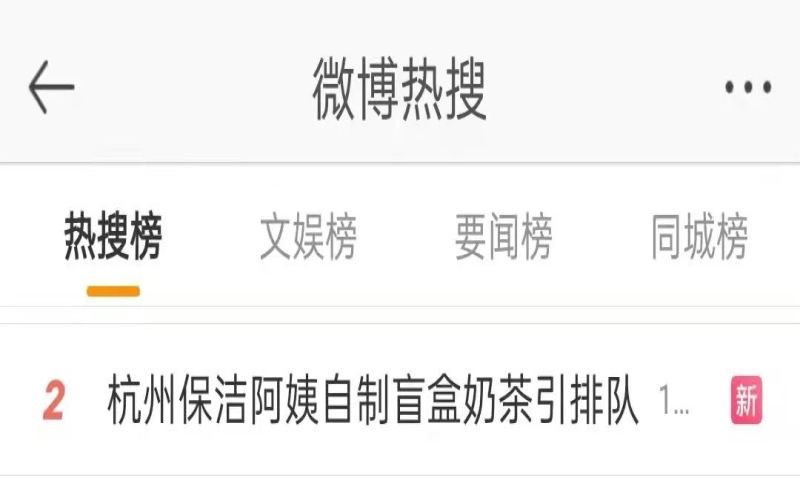
A Hangzhou cleaning lady's 5-yuan DIY blind box milk tea goes viral: Why does the blind box economy keep igniting consumer crazes?
Recently, a "blind box milk tea" made by a company cleaning lady in Hangzhou has trended on Weibo, selling for only 5 yuan per cup, prompting employees across the company to queue up and snap it up daily. The lady learned to make it herself because her daughter loves milk tea, and set up a stall in the office pantry; business became so booming that she had no time for square dancing. Coincidentally, in April this year, the blind box milk tea launched by the Mixue brand in Qingdao also went viral, driving the store's daily revenue from 3,000 yuan to over 10,000 yuan. The blind box economy has shown staggering cross-industry appeal in recent years—from toys to milk tea, it seems to make anything it touches a hit. This article will walk you through the story of blind box milk tea's rise, analyze the origins, characteristics, and underlying marketing logic of the blind box economy, and explore how brands can use blind boxes to achieve long-term business success. [more…]
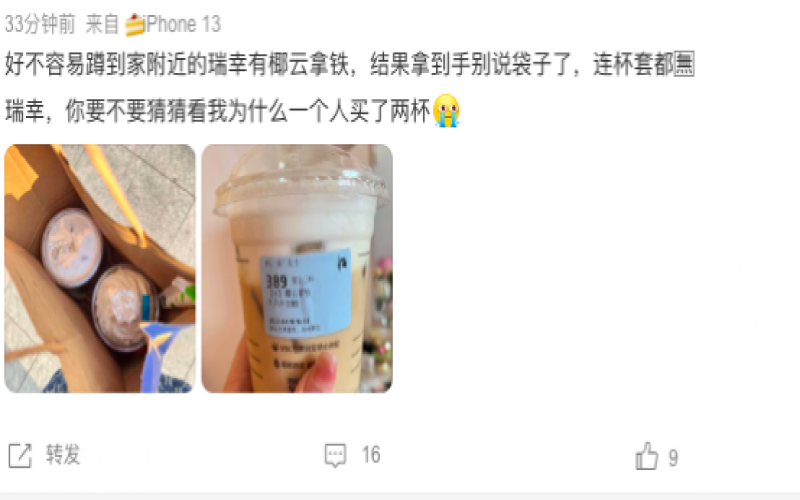
Coffee and Milk Tea Giveaway Marketing Observation: How Merchandise Trinkets Become a New Tool for Brand Traffic Generation
In recent years, coffee and milk tea brands have been rolling out all kinds of merchandise giveaways beyond the drinks themselves—from cup sleeves and paper bags to hair clips, coin purses, and even coffee-scented candles and co-branded perfumes. These seemingly inconspicuous little items are becoming a key factor in attracting consumers. When many customers buy drinks, their focus has shifted from taste to whether they can get limited-edition merch, and some even place repeat orders just to complete a giveaway set. Behind this marketing strategy lies both the consumer psychology of non-monetary promotions and an attempt by the tea beverage industry to break through amid intensifying competition. Starting from this phenomenon, this article will analyze how giveaway promotions influence purchasing decisions, and explore how cases such as Saturnbird's "Return Flight Program" achieve a win-win for brand publicity and environmental image, while also retaining relevant recommendations for Front Street Coffee. [more…]
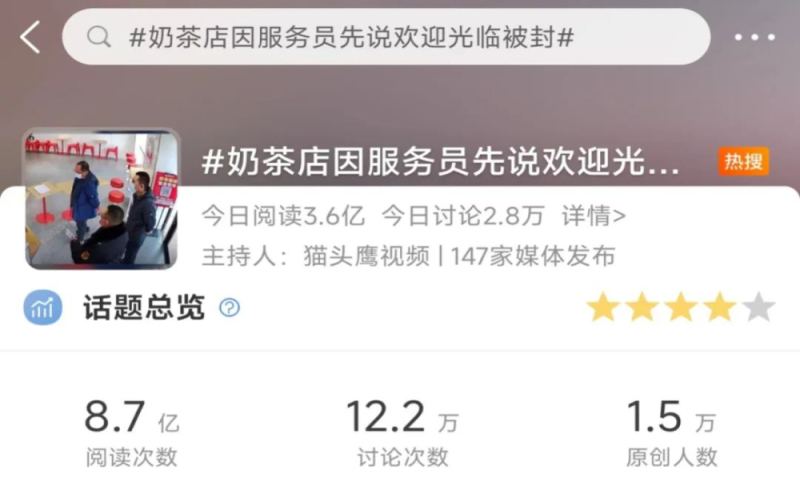
A simple "Welcome" led to the shutdown of a milk tea shop; official notice confirms abuse of power and holds those responsible accountable.
A milk tea shop was sealed and ordered to close on the spot by market supervision officials in under a minute—all because the staff said "Welcome" before asking customers to scan the QR code. The incident sparked widespread attention after it was exposed. An official statement later concluded that the law enforcement officers had abused their power and deliberately made things difficult; those involved have apologized and been disciplined. In this issue of coffee news, while we follow this incident, we also remind coffee professionals to be mindful of the boundaries of law enforcement in epidemic prevention and control, and we continue to bring coffee enthusiasts professional coffee knowledge and Front Street Coffee product recommendations. [more…]